A DoorDash mileage estimate is useful, but it is not the same thing as a complete tax log. DoorDash says it emails US and Canadian Dashers an estimate of on-delivery mileage by January 31. The IRS asks a different question: how many miles were driven for a documented business purpose?
For a driver working three days a week, that gap can be large. In the example below, the DoorDash estimate sees 7,920 miles while the driver's contemporaneous log supports 11,520. At the two IRS rates that applied during 2026, the complete log produces an $8,554 deduction — $2,673 more than the platform estimate alone.
That is a deduction from business profit, not an $8,554 refund. This guide separates the two, shows which trips are clear and which are fact-dependent, and gives you the record the IRS actually describes.
Who this is for: US DoorDash drivers and other app-based delivery contractors filing Schedule C. What it is not: personal tax advice. The line between business travel and commuting depends on where your business begins, whether you have a qualifying home office and why a trip was made.
The rate2026 has two mileage numbers
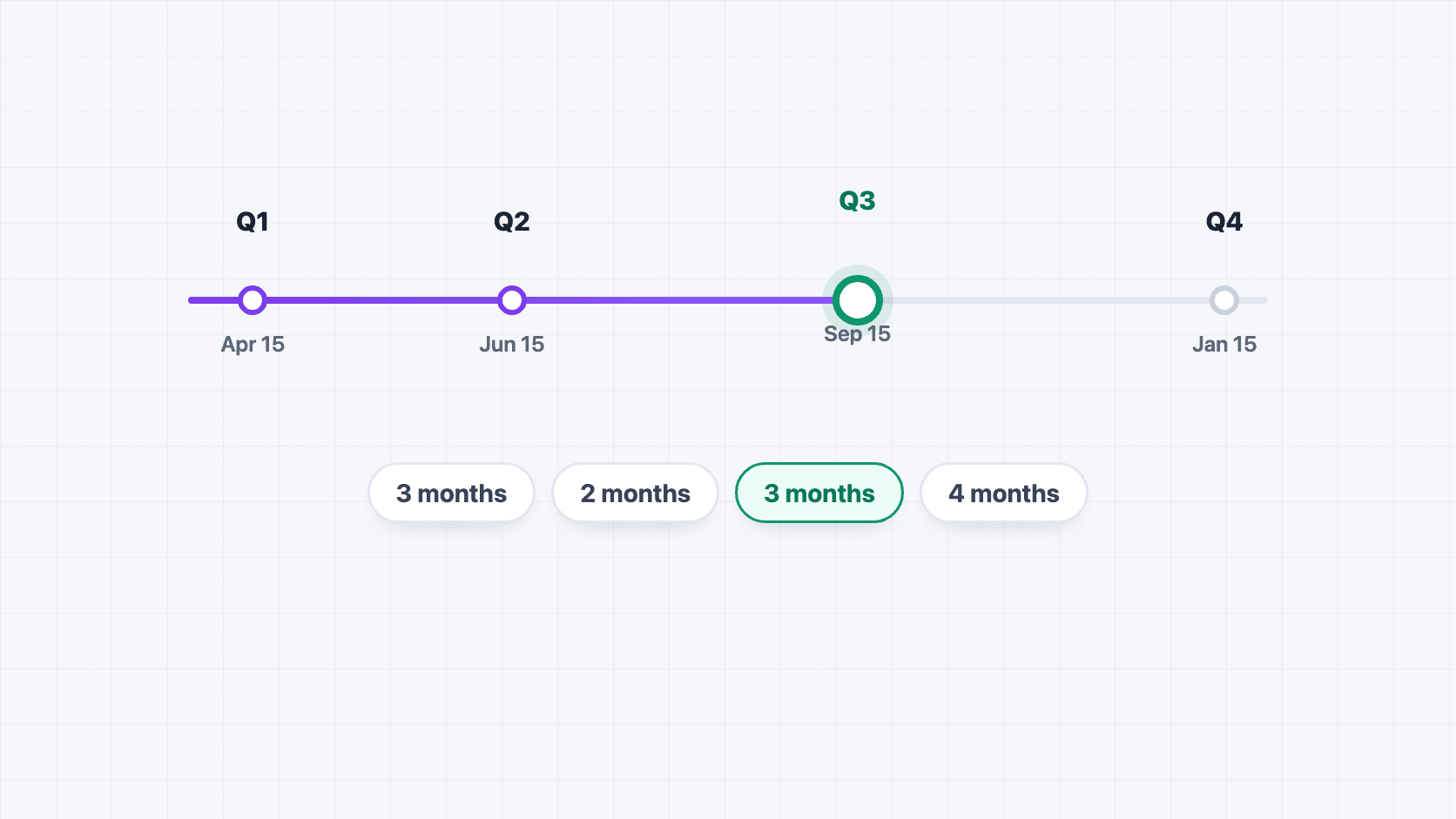
The IRS changed the business mileage rate in the middle of 2026 after fuel prices rose:
- 72.5¢ per business mile from January 1 through June 30.
- 76¢ per business mile from July 1 through December 31.
The date of the drive decides the rate. You cannot price every 2026 mile at 76¢ just because you file after July. IRS Announcement 2026-11 says the revised rate applies to transportation expenses paid or incurred on or after July 1; the original rate continues for earlier miles.
DoorDash on-delivery estimate
- Business miles
- 7,920
- Jan–Jun at 72.5¢
- $2,871
- Jul–Dec at 76¢
- $3,010
- Total deduction
- $5,881
Driver's complete business log
- Business miles
- 11,520
- Jan–Jun at 72.5¢
- $4,176
- Jul–Dec at 76¢
- $4,378
- Total deduction
- $8,554
| Record used | Business miles | Jan–Jun at 72.5¢ | Jul–Dec at 76¢ | Total deduction |
|---|---|---|---|---|
| DoorDash on-delivery estimate | 7,920 | $2,871 | $3,010 | $5,881 |
| Driver's complete business log | 11,520 | $4,176 | $4,378 | $8,554 |
Source: CalculatorAI · calculatorai.app · IRS Announcement 2026-11 · CalculatorAI arithmetic
The 3,600-mile difference is not automatically deductible. It represents repositioning, driving between orders and other logged trips whose business purpose must stand on its own. The point is that a platform estimate cannot make that decision for you.
The boundaryWhich DoorDash miles count
The safest way to classify a trip is by purpose, not by whether the app happened to be open.
- Restaurant to customer: business mileage. The delivery is the work.
- One delivery area to another while seeking orders: generally has a business purpose when you are actively working, but keep the reason and destination rather than relying on an “online” screenshot.
- Customer to the next restaurant: business mileage when it connects two work stops.
- Parking and tolls on a business trip: deductible separately even when you use the standard mileage rate.
- Personal errand during a dash: personal. Split it out.
- Home to the first work location and the last location home: this is where facts matter. Ordinary travel from home to a regular workplace is commuting and is not deductible. A qualifying home office or temporary work location can change the result; merely switching the app on in the driveway does not.
IRS Publication 463 requires the date, mileage, destination and business purpose. It also says records should be made at or near the time of the trip; a weekly log can be timely. It does not say an annual estimate reconstructed from earnings is enough.
DoorDash's own Dasher Guide to Taxes calls its number an estimate and specifies on-delivery mileage. That makes it a useful cross-check, not the source record. If your log is lower, investigate the log. If it is higher, be ready to show what the additional trips were for.
The distinction is similar to employee mileage, but the tax treatment is not: employees generally seek reimbursement from an employer, while an independent contractor deducts qualified miles on Schedule C. The 2026 mileage reimbursement guide explains the employee side and the same midyear rate change.
The tax effectA deduction is not a refund
The deduction reduces net profit. What it saves depends on the tax that would otherwise apply to that profit.
The table below combines a stated federal income-tax bracket with a simplified 14.13% effective self-employment-tax rate — 15.3% applied to 92.35% of net earnings. It deliberately leaves out the deduction for half of self-employment tax, the qualified business income deduction, credits, thresholds and state tax. Use it as scale, not a return calculation.
12%
- Income + effective SE rate
- 26.13%
- Tax reduction on full log
- ≈ $2,235
- Tax reduction on $2,673 gap
- ≈ $698
22%
- Income + effective SE rate
- 36.13%
- Tax reduction on full log
- ≈ $3,090
- Tax reduction on $2,673 gap
- ≈ $966
24%
- Income + effective SE rate
- 38.13%
- Tax reduction on full log
- ≈ $3,261
- Tax reduction on $2,673 gap
- ≈ $1,019
| Income-tax bracket | Income + effective SE rate | Tax reduction on full log | Tax reduction on $2,673 gap |
|---|---|---|---|
| 12% | 26.13% | ≈ $2,235 | ≈ $698 |
| 22% | 36.13% | ≈ $3,090 | ≈ $966 |
| 24% | 38.13% | ≈ $3,261 | ≈ $1,019 |
Source: CalculatorAI · calculatorai.app · CalculatorAI arithmetic · drafts/doordash-mileage-deduction-2026-numbers.mjs
This is why “76 cents back per mile” is wrong. At a simplified 36.13% marginal load, a second-half business mile creates a 76¢ deduction and roughly 27¢ of federal tax reduction. The deduction still matters; it just is not cash reimbursement.
That same distinction matters when you set aside quarterly payments. The guide to quarterly estimated taxes for freelancers starts from net profit — income minus supportable expenses — rather than gross DoorDash deposits.
Two methodsStandard mileage versus actual car costs
The standard rate stands in for vehicle costs such as fuel, insurance, repairs and depreciation. You do not take 76¢ a mile and then deduct the same gas again. Parking and tolls for business trips remain separate.
Our driver logged 11,520 business miles out of 18,000 total vehicle miles, a 64% business share. Suppose the year's vehicle costs were:
- $3,600 fuel
- $2,200 insurance
- $1,200 service and repairs
- $600 tires
- $300 registration
- $4,500 depreciation
Total actual cost is $12,400; 64% is $7,936. The split-rate mileage method gives $8,554, about $618 more, and needs fewer receipts. A newer, expensive car with heavy depreciation could reverse the answer.
The logWhat to record after every dash
A defensible entry is short:
- 01Date — the day driven, which also selects 72.5¢ or 76¢ in 2026.
- 02Start and end mileage, or distance — enough to prove the number.
- 03Destination or route — “Downtown zone to Oak Street delivery”, not “work”.
- 04Business purpose — delivery, repositioning for active orders, picking up supplies.
- 05Parking and tolls — stored separately from miles.
Keep total annual miles too, because the actual-cost method needs the business-use percentage. A weekly habit is better than rebuilding 600 trips from maps in April. Fuel prices can change what driving costs without changing which miles count; what $4 gas costs drivers shows that cash side of the same car.
The Mileage Tracker applies the rate in force on the trip date, stores purpose and destination, and exports a year log. It does not silently track GPS in the background today: trips are entered manually, from a route, by CSV or from a photo. That is deliberate to state plainly — a tax log you forgot to create is not fixed by pretending the phone recorded it.
Where these numbers come from
- Rates: IRS Announcement 2026-11, modifying Notice 2026-10: 72.5¢ through June 30 and 76¢ from July 1.
- DoorDash estimate: DoorDash's Dasher Guide to Taxes says estimates are sent by January 31 to eligible drivers and describes them as on-delivery mileage.
- Recordkeeping and method rules: IRS Publication 463, current 2025 revision. The IRS had not yet issued a 2026 revision when this was written; the recordkeeping rules cited here are not the mileage rate.
- Worked driver: 3 days a week × 48 weeks, 80 logged business miles a day versus 55 on-delivery estimate miles, split evenly across the two rate periods. The split is an assumption; a real log should total each half separately.
- Tax illustration: income-tax rate plus 15.3% × 92.35%. It overstates savings where the half-SE-tax deduction, QBI or other interactions lower the marginal effect, and understates them where state income tax also falls.
- Actual-cost example: $12,400 of stated annual costs and 64% business use. It excludes loan principal and uses a depreciation assumption rather than a vehicle-specific schedule.
FAQDoorDash mileage deduction
Does DoorDash track all deductible mileage?
No. DoorDash says its annual estimate covers on-delivery mileage. Other trips may have a business purpose, but they need their own timely record and are not deductible merely because the app was open.
What is the DoorDash mileage rate for 2026?
For US federal tax purposes, the optional business rate is 72.5¢ per mile from January through June and 76¢ from July through December. These are IRS rates, not amounts DoorDash pays.
Can I deduct gas and mileage for DoorDash?
Not for the same vehicle under the standard mileage method. The rate already represents vehicle operating costs. Business parking and tolls may be added separately. The alternative is the business share of eligible actual vehicle expenses.
Is driving home after the last DoorDash delivery deductible?
Sometimes, but not automatically. Ordinary travel between home and a regular work location is commuting. A qualifying home office, temporary work location or another business stop can change the analysis. Keep the leg in the log and get advice on your facts.
How long should I keep a mileage log?
Publication 463 says records supporting a deduction generally need to be kept for three years from the filing date, and vehicle business-use records may be needed for the recovery period. Keep the export and supporting evidence with the return.
The practical answer
Use DoorDash's January estimate as a reconciliation line, not as your only log. Record trips weekly, keep personal detours separate, price the first and second halves of 2026 at their own rates, and compare standard mileage with actual costs before filing. For the worked driver, that routine is the difference between a $5,881 estimate and an $8,554 supportable deduction — provided every additional mile really was business.